Check out some of our other projects.
-
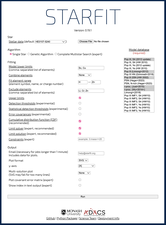
StarFit: New Features and Improved Accessibility for Scientists
StarFit, a tool for matching stellar abundance data to nucleosynthesis, was outdated and required a comprehensive revamp. ADACS assited by making key upgrades to the website, creating a PyPI python package, and adding features to the tool.
-
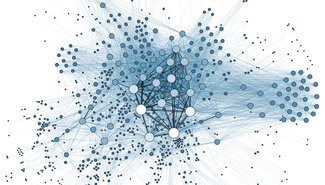
Boosting Social Network Analysis Research with Supercomputers
ADACS collaborated with researchers in Social Network Analysis to improve the performance of their simulation code. This allowed them to tackle research problems that were previously computationally intractable.
-
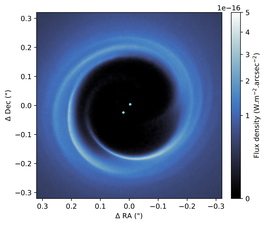
Implementing Modern Programming Practices for the MCFOST Radiative Transfer Code
MCFOST encountered development hurdles amidst growing collaborators. ADACS assisted in implementing GitHub Actions for automated testing and version releases, streamlining workflow and enhancing code reliability.